What is gamification?
According to gamification scholar Sebastian Deterding, “gamification’s guiding idea is to use elements of game design in non-game contexts, products, and services to motivate desired behaviors.”
In other words, gamification means turning a task from your everyday life – fitness, shopping, learning, etc. – into a game. Through playing the game, the task is completed.
Rather we realize it or not, we have always been gamifying activities in our lives. Parents who want to instill healthy habits in children will challenge them to little games. For example, a parent may challenge their child to eat their veggies in the next ten minutes and they will receive a treat. Or, parents may set up a chart on the wall, and tell their children to make a tick mark each time they brush their teeth. When they get twenty tick marks, they are given a reward.
Adults play games too! Consider the rewards programs companies make available to shoppers. As you shop, you earn points. You earn even more points if you do specific tasks (buy certain products on certain days). These points can be redeemed for rewards like discounts and free stuff. For some companies, when you accumulate enough points, your status changes – maybe from “beginning shopper” to “super shopper.”
Gamification is all around us!
How is something “gamified”?
Many gamification scholars argue that there are at least three most elements of gamification – points, badges, and leaderboards:
- Points are measures of a user’s activities. Completing tasks or answering questions
correctly are ways of earning points. - Badges are gained by completing a predetermined set of tasks or answering a set number of questions.
- Leaderboards are public displays of those who have earned points and badges.
If you think about many of the apps you use in your everyday life, you will find these elements in them. Think of all the points you earn when you do something in the app. For example, Amazon’s Audible app records the number of books you listen to. Users earn points for listening to books. Think about how you can “level up” in some of these apps. Using the same Amazon Audible, users and are given a badge each time you level up.
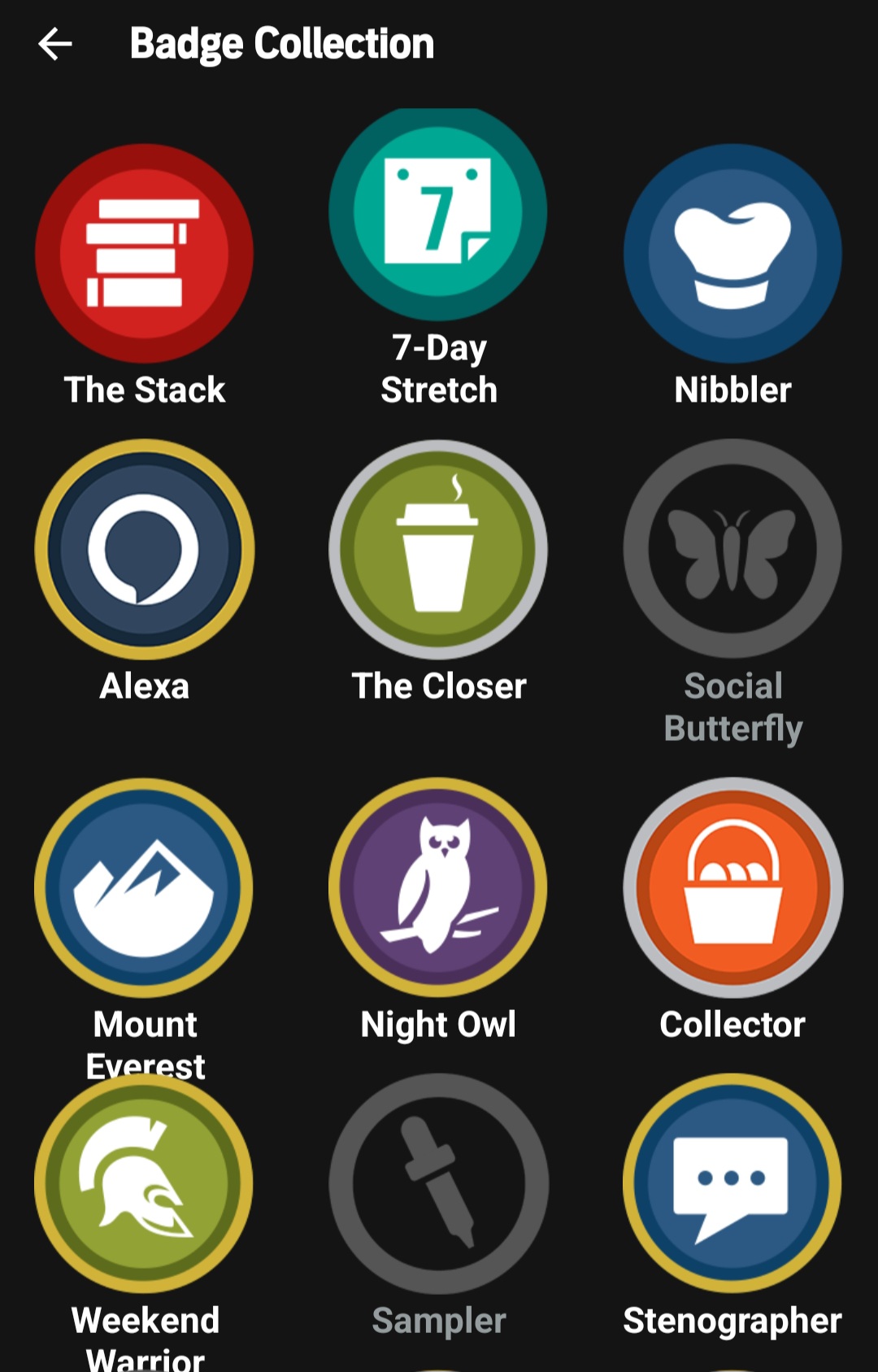
Here is a screenshot from Amazon’a audible app. These badges can be earned based on when and how you listen to audiobooks.
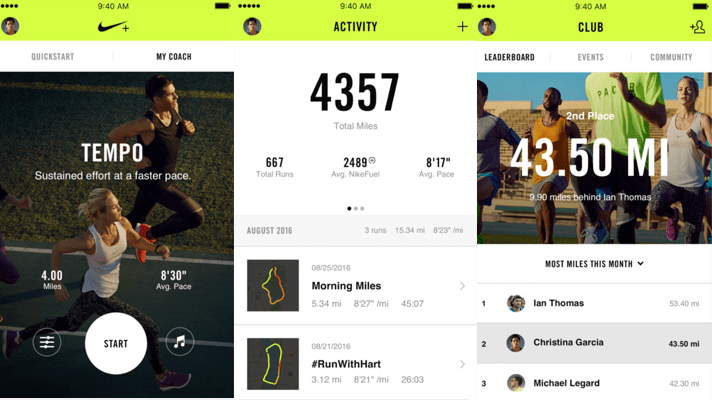
And think about how you can compete with others in the app and your activities recorded on a public leaderboard. Here is Nike’s running app, with a user’s total miles, total’s miles in a month, and his place on a leaderboard (second in his group).
What are examples of gamification?
The above text referenced gamified apps from Amazon Audible and Nike. Gizmo’s game design company has listed its top seven examples of gamification, including from companies like Kentucky Fried Chicken and Starbucks.
How is the CGP using gamification?
The cybergamification project (CGP) will use gamification in an educational setting. Specifically, games will be used to teach students concept in cybercrime and cybersecurity.
 Cybercrime Gamification